How to Manage Sarcopenia and Support Healthy Aging
As we age, changes in our muscles are common. However, they are not inevitable or irreversible. One condition that often goes unnoticed until it begins to affect daily life is sarcopenia. The good news is that Physiotherapy plays a central role in managing sarcopenia and helping people maintain strength, independence, and confidence as they get older.
What Is Sarcopenia?
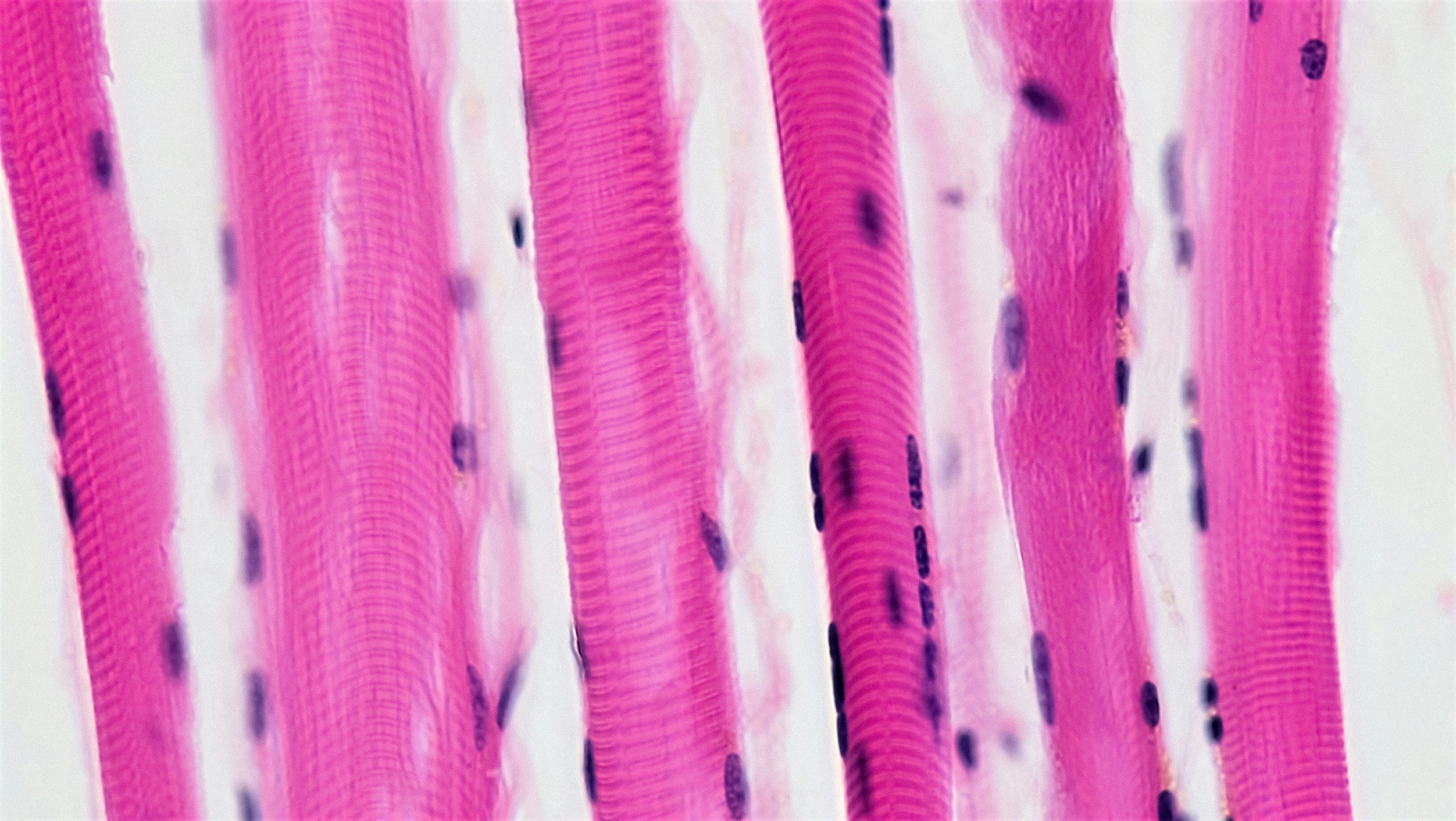
Sarcopenia is the gradual loss of muscle mass, strength, and function that occurs with aging. It can begin as early as our 30s but tends to accelerate after age 60 if not actively addressed. Sarcopenia isn’t simply about “getting weaker” but refers to how well your muscles function to support balance, posture, and movement.
Left unmanaged, sarcopenia increases the risk of:
Falls and fractures
Difficulty with everyday tasks like climbing stairs or carrying groceries
Slower walking speed and reduced endurance
Loss of independence and quality of life
Importantly, sarcopenia can affect people of all body types - even those who appear otherwise healthy.
Why Physiotherapy Matters
Physiotherapy focuses on improving how your body moves and functions, not just treating pain or injury. When it comes to sarcopenia, Physiotherapists are trained to assess muscle strength, balance, coordination, and movement patterns. From their findings they can design a targeted plan to address deficits safely and effectively.
Management of sarcopenia is most successful when it includes progressive, appropriately intense and dosed exercise, tailored to the individual. This is where Physiotherapists truly shine!
Exercise as the Cornerstone of Management
The most effective treatment for sarcopenia is strength training. However, not all exercise programs are appropriate or safe for everyone—especially for individuals dealing with joint pain, arthritis, or previous injuries. A Physiotherapist can individualize exercises so they are appropriately challenging for your needs.
Some tools commonly used in Physiotherapy to support muscle health include:
Blood Flow Restriction Training (BFRT):
BFRT involves applying a specialized cuff to a limb during low-load exercises. This allows patients to gain strength and muscle adaptations similar to heavier lifting, but with significantly less joint stress. BFRT can be particularly helpful for older adults, people recovering from injury, or those who cannot tolerate traditional resistance training.
Whole Body Vibration Training:
Whole body vibration platforms (such as Power Plate) use gentle, high-frequency vibrations to stimulate muscle activation. When combined with simple exercises, this approach can enhance muscle recruitment, improve balance, and support strength gains in a time-efficient way. It is especially useful for individuals who are newer to strength training or who need a lower-impact starting point.
In addition to these tools, Physiotherapy programs often include balance training, functional movements (eg. sit-to-stands), and gait training to ensure strength improvements translate into real-life activities.
A Manageable Condition—At Any Age
One of the most important things to understand about sarcopenia is that it is manageable. Muscle tissue is remarkably adaptable, even later in life. Improvements in strength, balance, and confidence are possible at any age with the right approach.
Starting sooner rather than later allows you to:
Preserve independence
Reduce injury risk
Stay active in the activities you enjoy
Improve overall quality of life
If you are concerned about strength loss, balance changes, or feeling less confident in your body, a Physiotherapist can help assess where you are now and guide you forward. Sarcopenia does not have to define your future - addressing it proactively can make a meaningful difference in how you move, feel, and live.
- Thanks for reading and keep looking for more posts in the future on other ‘hot topics’ in the world of Physiotherapy and Physical Rehabilitation!