The Benefits of Whole Body Vibration Therapy in Physical Rehabilitation
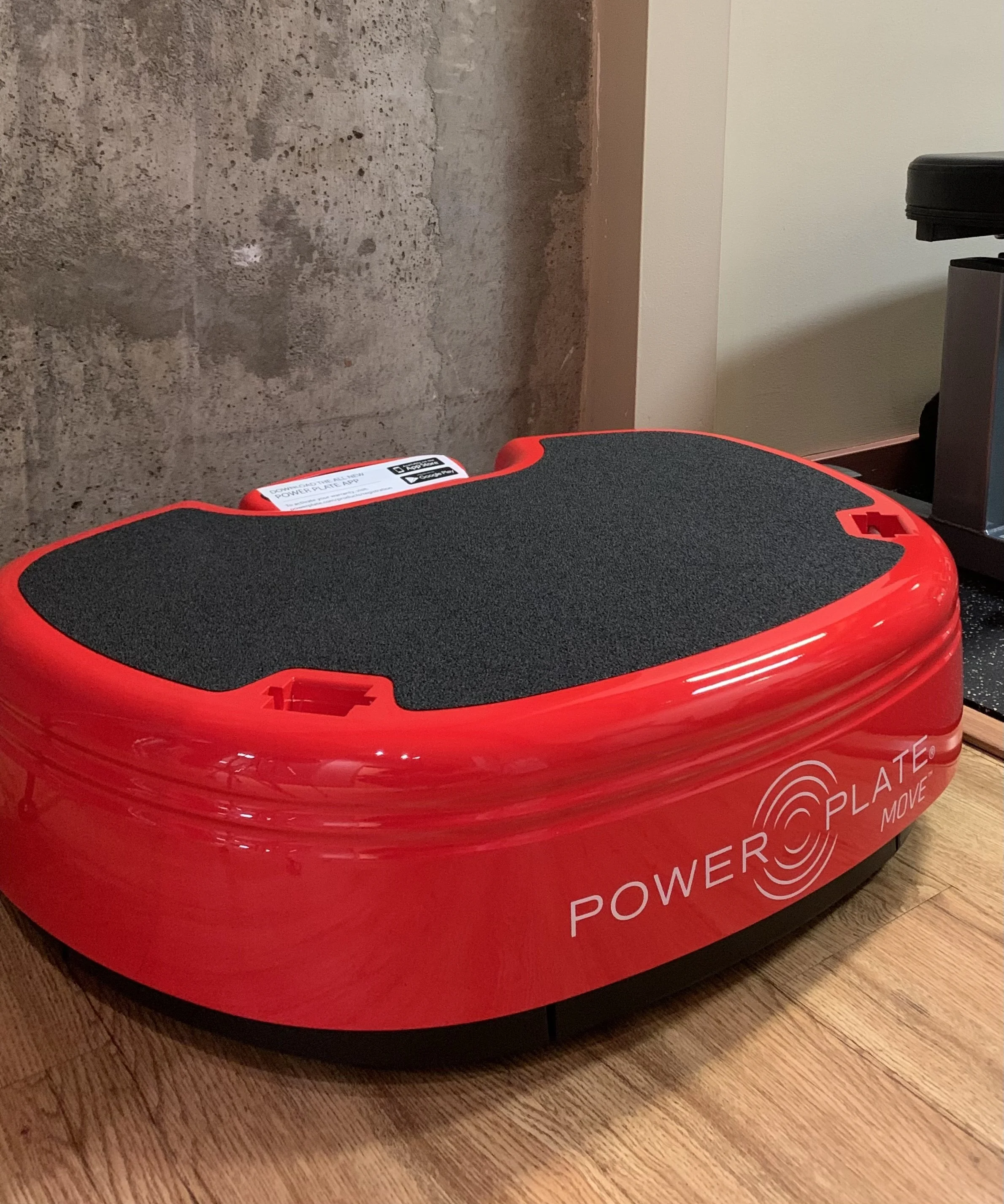
Whole body vibration therapy (WBVT) is becoming an increasingly popular tool in Physiotherapy and Sports Rehab. This kind of training helps build strength, improve balance, support bone health, and recover more efficiently from injury — potentially in less time than traditional exercise alone.
Whether you are an athlete recovering from injury, managing chronic pain, or living with osteopenia or osteoporosis, WBVT can be a safe and effective addition to your Physiotherapy treatment plan.
How Does Whole Body Vibration Therapy Work?
WBVT, using a tool like a Power Plate uses high-frequency, low-amplitude mechanical vibrations to stimulate muscles and the nervous system. When you perform exercises on a vibration plate your muscles contract reflexively up to 25–50 times per second, markedly increasing muscle activation compared to the same movement performed on the solid floor.
This increased neuromuscular activation can lead to:
Improved muscle strength and power
Enhanced balance and proprioception (ie. sense of where your body is in space)
Increased circulation and tissue healing
Efficient bone-loading stimulus
Because these benefits occur at relatively low loads (ie. intensity), vibration plate therapy is especially helpful for people who cannot tolerate heavy resistance or high-impact exercise.
Who Can Benefit from Power Plate in Physiotherapy?
One of the key advantages of WBVT in Physiotherapy is its versatility. This technology can be adapted for many populations, including:
Athletes returning to sport after injury
Post-operative patients (ACL reconstruction, knee or hip replacements, ankle, spine surgery, to name a few)
Older adults looking to improve balance and reduce their fall risk
Individuals with osteopenia or osteoporosis seeking safe stimulation for their affected bones
Individuals with chronic pain or movement-related fear
Neurological populations (stroke, Parkinson’s disease, multiple sclerosis) that would benefit from more exercise volume
Deconditioned individuals starting or restarting exercise safely
Exercises can be performed standing, seated, supported, or partially weight-bearing, making WBVT accessible across many rehabilitation stages.
How Long Do You Need to Use a Vibration Plate?
Researchers on this topic suggests that as little as 5–10 minutes of vibration plate exercise can produce meaningful clinical benefits. Typical Physiotherapy sessions include:
30–60 second vibration intervals
Short rest periods between sets
A total vibration exposure of 5-20 minutes per session, depending on the person’s needs
This dose has been shown to improve strength, balance, circulation, and neuromuscular control, making it a time-efficient option for rehabilitation and injury prevention. Imagine combining it with Blood Flow Restriction training for a low-impact, high-outcome workout!
WBVT vs Traditional Exercise
Compared to conventional strengthening exercises on solid ground, Vibration training offers:
Greater muscle activation with less joint stress
Faster strength gains in early rehabilitation
Improved pain modulation through nervous system stimulation
Better balance and awareness of where your body is in space
Enhanced recovery through improved blood flow
For example, a simple squat performed on a vibration plate activates more muscle fibres than the same squat on the floor, without increasing impact or load. This allows patients to progress with less joint impact while still achieving meaningful strength gains.
Is Power Plate Therapy Safe?
Like any rehabilitation tool, Whole Body Vibration Therapy is safe and well tolerated for most individuals when it’s:
Prescribed at the right frequency and intensity
Integrated into a personalized rehab plan based on your injury history, bone health, and individual goals.
Supervised by a trained health professional
Your Physiotherapist can help to set you up for success with this!
The Bottom Line
WBVT is an evidence-based, efficient, and adaptable rehabilitation tool. By enhancing muscle activation, supporting bone health, and improving balance and recovery, it allows patients to get more benefit from each exercise session.
- Thanks for reading and keep looking for more posts in the future on other ‘hot topics’ in the world of Physiotherapy and Physical Rehabilitation!